Preventing Concrete Pitting During High Pressure Wash
High-pressure washing is one of the most effective ways to restore driveways, pathways, and entertaining areas across Adelaide. However, using raw hydraulic force without the right technique can cause irreversible surface degradation known as concrete pitting. Pitting occurs when intense water pressure dislodges the cement paste on the top layer, exposing aggregate stones and creating rough, cratered spots that collect dirt, moisture, and organic growth.

With Adelaide's unique climate and expansive clay soils placing unique structural stresses on domestic slabs, understanding how to clean concrete safely preserves both the appearance and the structural lifespan of your hardscape surfaces.

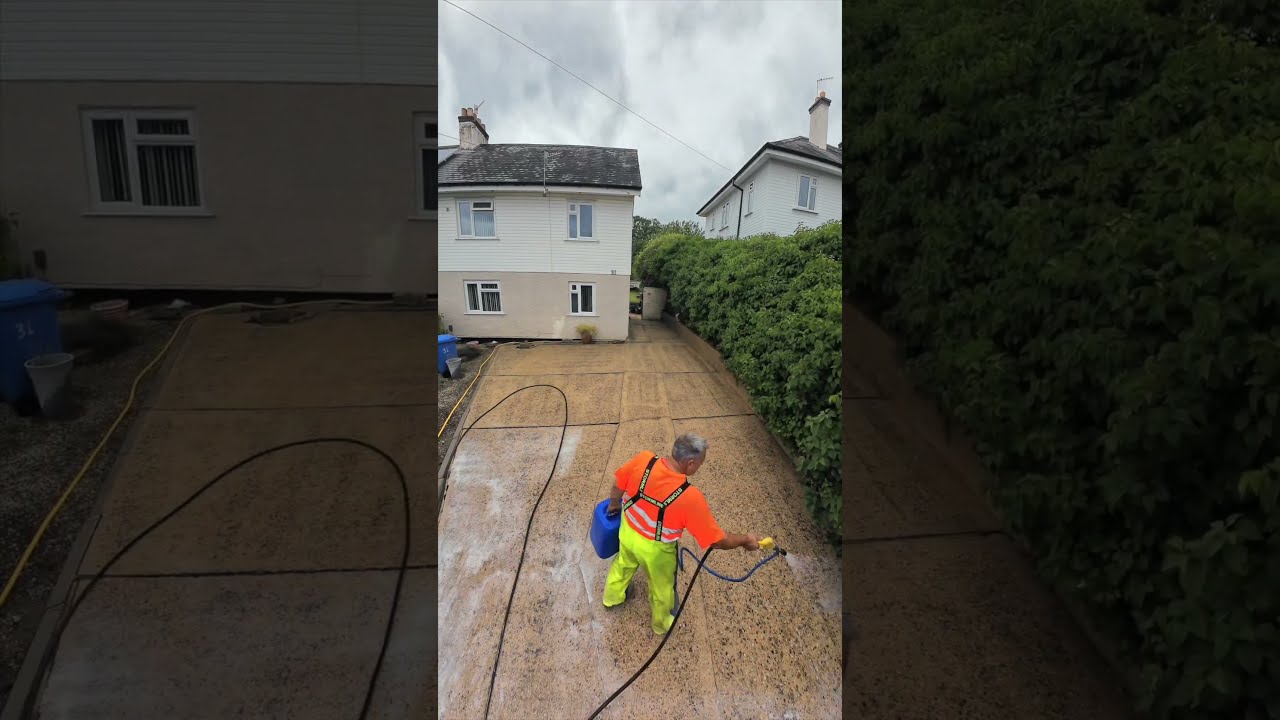
Why Concrete Pits Under Extreme Pressure
Concrete may seem indestructible, but its uppermost layer—known as the cream or cement paste—is surprisingly vulnerable. Standard residential concrete generally holds a compressive strength between 20 and 25 MPa. Modern high-pressure cleaning equipment, especially professional-grade units operating above 3,500 PSI, can easily exceed the tensile threshold of that top layer if concentrated on a small area.
In Adelaide, long stretches of summer heat followed by wet winter conditions cause thermal expansion and contraction. Over time, UV exposure and mineral accumulation from local groundwater weaken the surface paste. When struck by a pinpoint jet stream, water forces its way into micro-fissures, creating hydraulic shock that blasts tiny fragments out of the slab.
Best Practices to Protect Your Concrete
Preventing pitting comes down to calibrating pressure, spray pattern, distance, and chemical assistance. Rather than relying solely on brute force to dislodge Adelaide's stubborn red dirt and seasonal lichen, operators should adjust their setup carefully before starting.
- Maintain Moderate Pressure: Keep domestic washing equipment capped between 2,000 and 2,800 PSI for cured residential concrete, reducing to under 1,800 PSI for decorative stencilled or stamped surfaces.
- Avoid 0-Degree "Red" Tips: Zero-degree pencil nozzles act like cutting blades on concrete surfaces; instead, opt for 25-degree (green) or 40-degree (white) fan nozzles to disperse the impact evenly.
- Utilise Rotary Surface Cleaners: Flat surface cleaners utilise twin rotating nozzles under an enclosed shroud, ensuring an even distance from the slab and eliminating the zebra-striping and gouging risks associated with handheld wands.
- Maintain Wand Distance: When using an open wand for edging, maintain a consistent clearance of at least 30 centimetres from the ground at a steady 45-degree angle.
The Soft Wash Approach: Chemical Pre-Treatment
One of the most significant shifts in property maintenance standards in 2026 is moving away from high-pressure mechanical scrubbing in favour of chemistry. Applying a https://adelaidepressurecleaningpros.com.au/house-washing/ biodegradable surfactant and mould-inhibiting pre-treatment breaks down organic growth, grease, and atmospheric grime at a molecular level.
Allowing a specialised cleaning agent to dwell for 10 to 15 minutes softens contaminants completely. Consequently, the operator only needs moderate rinsing pressure to wash the residue away, totally eliminating the need for aggressive, pit-inducing force.
Step-by-Step Pre-Wash Assessment
Before pulling the trigger on a pressure cleaner, inspecting the substrate prevents costly damage. Adelaide properties—particularly older homes in areas like Unley, Prospect, and Campbelltown—often feature slabs that have aged past their prime.
- Check Concrete Age: Fresh concrete poured within the last 12 months should not be subjected to intense pressure cleaning, as the curing process is still active.
- Perform a Scratch Test: Discreetly test an edge with a blunt screwdriver; if the surface crumbles or sheds powder easily, switch to a low-pressure chemical soft wash rather than mechanical blasting.
- Check for Existing Cracking: Map out structural hairline cracks caused by Adelaide's reactive clay movement, taking care to avoid firing direct pressure straight into these seams.
- Calibrate Flow Rate: Match water volume (litres per minute) to pressure (PSI), as high volume lifts dirt faster without requiring surface-damaging pressure.
Sealing for Long-Term Durability
Once a concrete surface has been properly cleaned without causing surface pitting, sealing is the ultimate defensive measure. Applying a quality, breathable penetrating sealer protects the cement matrix from future water ingress, motor oil stains, and efflorescence. Investing in adequate sealing ensures your paved outdoor areas resist environmental weathering and maintain structural integrity well into 2027 and beyond.
Adelaide Pressure Cleaning Pros
70 Overland Rd, Croydon Park SA 5008
(08) 7228 0262